It can be a terrific experience to work for a remote startup. Maintaining your team’s enthusiasm and engagement, though, can be challenging. Fortunately, there are a few straightforward tactics you can implement to increase retention at your remote firm. Let’s look at these tactics and see how you can use them to increase employee engagement and loyalty.
Human resource management is undoubtedly one of the most challenging tasks in the present time as organizational goals have become more complex and competitive. A diligent HR professional holds an integral place in managing the human resource entrusted in his/her domain and facilitating them to perform at an optimum level. This individual has to have a multi-tasked approach so as to be able to face unprecedented events such as harassment, conflicts amongst employees, sudden short-staffing, stress, pressure and creating a growth climate within the organization.
Below mentioned are the top 5 steps that can prove to be beneficial in effective human resource management:
In the contemporary, highly competitive business environment, organizations are placing greater emphasis on the efficacy and impact of their human resources (HR) programs and initiatives. To guarantee the delivery of the desired outcomes, HR professionals must employ HR metrics, program evaluation, data analysis, and other tools to accurately measure and monitor employee performance and the return on investment (ROI) of their initiatives. This article will delve into the essential components of assessing the impact of HR program and initiatives, offering invaluable insights and best practices for HR professionals seeking to enhance their efforts.
What is employee recognition?
Employee recognition refers to the process of acknowledging and rewarding the efforts and accomplishments of employees of a company. It can take numerous forms, including verbal praise, incentives, promotions, prizes, or public acknowledgment. Organizations may benefit from employee recognition in a variety of ways, including greater staff morale and motivation, improved work satisfaction, improved employee engagement and retention, increased productivity, and higher levels of customer satisfaction. It can additionally establish a healthy company atmosphere and encourage employee teamwork and collaboration.
The ascent of digital transformation and the growing prevalence of remote work have brought about a substantial transformation in organizational operations, calling for a reorientation of human resources professionals in managing their workforces. As remote teams and dispersed workforces become the customary practice, human resources professionals must modify their strategies and practices to ensure efficient virtual collaboration and sustain employee engagement. In this article, we will delve into the pivotal role of human resources in managing remote teams and distributed workforces, presenting valuable insights and best practices for effectively navigating this new era of work.
The labor laws of Pakistan hold significant importance in regulating the relationship between employers and employees, ensuring equitable treatment and protecting workers’ rights. For HR professionals, comprehending these labor laws and compliance requirements is pivotal to managing human resources efficaciously and establishing a legally compliant workplace. Through this blog, we aim to delve into the fundamental facets of employment regulations in Pakistan, offering invaluable insights for HR professionals striving to align their workplace policies with the national labor laws.
What is Workplace Diversity?
The term “workplace diversity” refers to a range of variations between people who work there, including those based on abilities, sexual orientation, gender, age, ethnicity, and other characteristics. It considers how individuals differ from one another and acknowledges that these variations might result in the workplace having different viewpoints, ideas, and abilities. Each employee, regardless of background, may feel included, treated fairly, and respected in a diverse background workplace.
What is Recruitment?
Recruitment is finding, selecting, employing, and onboarding qualified job candidates. It is the most essential aspect of human resource management (HRM). The entire process must be managed by skilled HR managers. A company’s recruitment and selection strategies increase its attractiveness to prospective employees.
Workforce trends are constantly shifting. Workers’ requirements, that is, their behaviors, wants, and needs, have also evolved. Traditional business practices cannot be applied to today’s workforce.
Companies must understand these changes and effectively adjust their recruitment strategies. Finding the right fit for a job is the most complex and critical part of any selection process.
The following are some hiring strategies that businesses should consider:
Culture Fit
When a company has a job opening, it usually considers the skills a potential employee must have for that position. Identifying the organization’s values, communicating them in job postings, and evaluating them when hiring, on the other hand, are all equally important.
These can be assessed through online personality tests prior to an interview or during the interview process, in which a prospective candidate is asked about his or her work ethic, personality, and characteristics. They can then be matched to the values of the company.
Attractive Job Posting
Regarding the required skill set, many job openings in the labor market are similar to those you need. Because of the accessibility, candidates have a large number of postings to choose from.
The company must therefore make their job posting appealing by mentioning the benefits of working for them and the skills they require. The candidate must understand why working for your company is preferable to working for another.
Businesses today use applicant-tracking systems to organize, collect, and filter job applications. This software is designed to help and improve the recruitment process. Several applications are sorted and filtered following the company’s criteria, saving valuable time and labor with a single click. Those applicants who do not meet the job requirements are sent an automated generic response, and the employer can then focus on those applicants who do.
Interview Procedure
The interview should be thorough and assess the candidate’s capabilities so that the interviewer knows whether the candidate is a good fit for the organization by the end. The questions should be well thought out and capable of assessing the employees’ goals, skills, and behaviors.
The interview can be conducted via video conferencing with a candidate in a different city than the organization. This is a good way to reach a larger pool of prospective employees who may be a better fit but need help to travel for an interview.
The entire process should be a two-way communication in which the employer provides information about the company while questioning the employee. The candidate should know the opportunities available while working for the aforementioned organization.
In addition, they must leave the interview with a clear understanding of the company to know if they will work here.
Digital Platforms
Job postings on digital or social media platforms enable a company to reach a larger audience. Candidates who had not previously applied may be enticed by the perks, higher pay, and other opportunities that the company provides that their previous employer did not.
Online marketing will draw attention to the job opening and bridge the gap between the employer and the employee.
Company Reviews
Prospective employees can look for information and reviews from previous employees of the organization to which they want to apply. The shared experiences will allow the applicant to learn about the company’s culture, working hours, workload, increments, and overtime pay.
Positive feedback from a company will encourage more people to apply, and the company may be able to find the best suitable match during this process
Is Recruitment Easier Now?
There is no simple answer to this question. Although recruiters receive more talented applicants from all over the world, the process has become more competitive.
While selecting the best-suited candidate, companies must also demonstrate their value to the prospective employee, i.e., why the employee would be better off working with the future organization rather than their current one.
As a result, when the right person is hired, he or she becomes an asset to the company, benefiting both the selector and the selected.
What Is Equal Employment Opportunity?
The concept of equal employment opportunity relates to the idea that everyone is treated equally. When hiring, firing, or promoting someone, they should be treated fairly regardless of age, gender, religion, race, ethnicity, or other characteristics.
Any job applicant who advocates his interests throughout all employment-related choices has a right to equal opportunities. Regardless of differences, everyone is subject to the benefits of employment, such as performance-based incentives and awards, as well as the penalties for poor behavior. This comprises:
- Hiring
- Recruitment
- Termination
- Leaves/ Absences
- Sense of style/ dress
- Employment conditions
- Any perks, promotions or bonuses being offered
- Demotions and disciplinary measures
Importance and Benefits
- Equal Employment Opportunity (EEO) supports a diverse culture and eliminates any possible hurdles to advancement. Organizations with EEO standards succeed in attracting a diverse pool of employees. These individuals offer the company various cultures, cognitive processes, and skills, promoting a pleasant collaborative work environment. On the other hand, organizations that are inflexible and not particularly inclusive have a difficult time finding the right talent. Due to their restrictive recruiting procedures, businesses frequently lose money and time owing to lousy hiring judgments.
- A diverse workforce means the company can access a broader range of ideas, experiences, skills, and talents. This allows for the growth of innovation, especially if you run an IT company that relies on continuous innovation. This also allows teams to make decisions that are more informed and become more focused, solution-oriented, and ultimately more productive.
- Purposefully and comprehensively applied EEO policies help enhance employees’ morale. This is essential as it contributes to developing a positive reputation for the company. Creating an inclusive team of individuals paves the way for a tolerant, open, and accepting company culture. Furthermore, a company’s commitment and EEO practice standards earn them a good reputation in their industry, gaining them a competitive advantage.
- Commitment from the top of the company’s hierarchy is required for effective EEO implementation. Why is it so crucial? It is critical because upper management has ultimate control and resources to achieve such a significant organizational change. Commitment from them entails the development and adoption of inclusive EEO policies, which will eventually set the foundation for the rest company. If upper management does not back or support this cause, only surface-level actions will be taken, often resulting in failure.
- Training programs are critical to ensuring that EEO practices are effectively executed and implemented. Employee education through training and mentorship contributes to the strengthening of EEO policies. This helps them understand that all employees are equally valuable to the company. This assists in confronting unconscious biases and cultivates the seed of a supportive, accepting, and inclusive workplace with a diverse and positive culture. As a result, incorporating EEO standards that cannot be moved is the key to successfully disseminating such a culture.
- The clientele and customer base expertise equally each employee contributes to the company’s growth and earnings. It is a positive indicator since it offers the business a competitive edge and eventually helps it become the clients’ top pick. EEO is favorable and advantageous to them since it aids in achieving their ultimate goal, which is for them to be the clients’ first option, making that their primary motive for most businesses.
Final Words
To sum up, it is critical to recognize that everyone has a right to equal opportunity in the workplace. Yes, it is not easy to implement. It is much simpler said than done. However, since the goal is a crucial requirement of the hour, leaders must be able to move in that direction. This is due to the importance of fair employment practices in maintaining our sense of community. Especially since the financial hardship and employment, losses brought on by the pandemic still exist in the post-pandemic era. Humans must learn to be kind and think about one another rather than acting in a thoughtless and insensitive manner.
Many people experience gender, racial, sexual orientation, and nationality stereotypes to some extent. It is frequently essential to actively overlook the past to assess individuals objectively. The emphasis must be on creating a lively and upbeat work environment, seeing past differences, and putting out teamwork and communal efforts to pursue shared accomplishments.
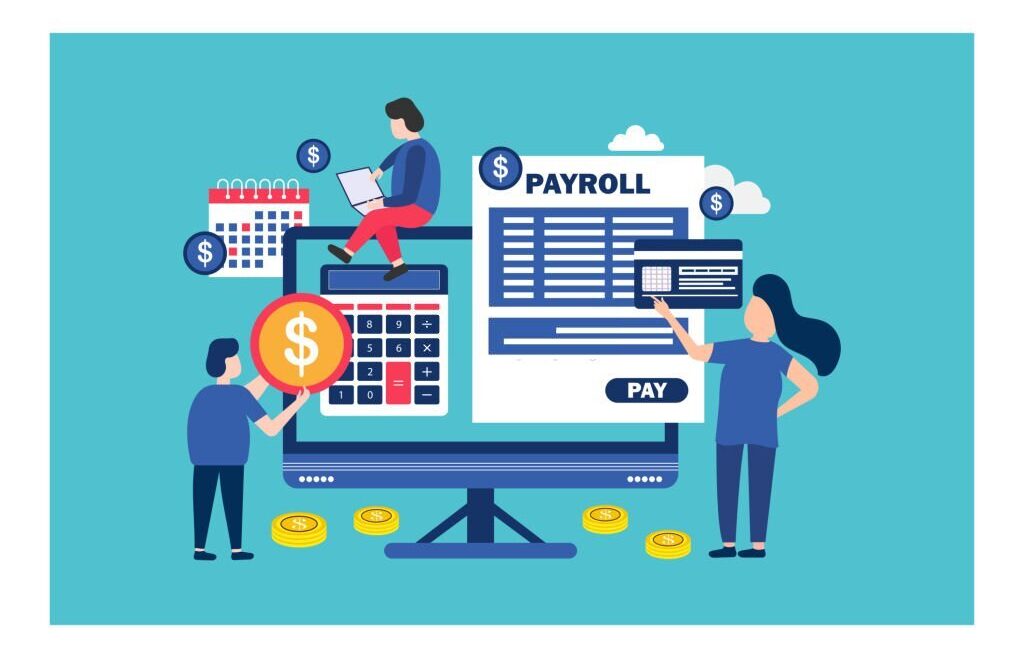
Payroll management is the process by which an employer pays wages to its employees. Show commitment to their workers, fulfill their obligations and correctly keep financial records. No matter where your employees or teams are located, payroll is completed accurately and on time. Online payroll management system automates the entire payroll calculation process.
Payroll Management – Traditional Approach
Many small businesses used to manage their payroll system through traditional ways. Manual processing involves juggling paperwork and scrolling down spreadsheets to keep the records in the correct form. However, this approach requires security concerns, protecting the payroll information. Data misplacement, thefts, and record leaks are involved in this approach.
Daily paperwork leads to data misplacement, making it more challenging to manage the payroll. It leads to the ineffective data management of payroll.
The company goes through piles of papers consuming time and energy; hence, higher expenses are acquired. This happens because many resources are being utilized to process payroll manually. This leads to higher costs along the way, affecting the business’s bottom line gradually.
Payroll Management – Digitalized Approach
Small businesses have started to shift towards the digitalized payroll method. This is an effective payroll management system. Payroll software is much better than the traditional approach as it saves time and money. It has a quick payroll payout since it is 100% accurate, and all necessary calculations are done through a few clicks.
Online payroll management is a user-friendly system as it has 24×7 accessibility; hence it is flexible and customizable at all times. A digitalized payroll approach organizes a large sum of data, maintain accurate calculations, and minimizes errors.
This saves time and manpower, so the payroll system becomes more effective. This system enhances the speed and accuracy of payroll processing. It brings in on-demand reporting, improved data quality, and the ability to track the workforce.
A digitalized payroll involves automated processing and dealing with a large data volume. It has multiple benefits as well. This avoids errors, reduces payroll management time, and increases the team’s efficiency and productivity.
It has an integrated platform that deals with outsourcing which eases large-scale data processes. An online payroll system also protects the company data and keeps the payroll safe and secure.
Continuous changes, such as in labor and taxes, directly impact production. Having a digitalized payroll system automatically makes changes to the data.
Why Should Small Businesses Opt For An Online Payroll Management System?
An owner of a business can pay his/her workforce consistently. But time by time, keeping track of the paperwork and reports gets challenging. This makes it very time-consuming and makes them struggle to stabilize their business.
Small businesses opt for an online payroll management system to grow. This is a tangible and reliable human resource solution that helps them grow and help monitor their workforce.
It helps focus more on the overall impact on the firm’s growth. With effective payroll management, small businesses work towards their goals and aims. This increases HR’s efficiency and capacity. Effective payroll management allows businesses to keep track of their employee’s tax information.
It helps employees with their benefits and retirement information and handles employee information. This software tracks the paid time off and the workforce’s attendance.
Benefits of Payroll Software
Payroll software is a compatible and flexible system that saves time and cost with improved resource efficiency. Many businesses have started to use payslip management software rather than manually working on it. This software provides accurate data and analysis in a secure and easily accessible way. It calculates salaries and simplifies the deduction process, generating payslips and calculating holidays and bonuses.
Effective payroll management helps businesses save money since there is a reduction in data entry errors. This saves a lot of time. It allows the owners to focus on the business’s core competencies rather than investing most of their time doing payroll paperwork.
Having online payslip management, everything is done automatically, reducing the need to train employees to handle payroll records. It allows the HR team to focus on other business-related duties and keep tax information up-to-date.
Linking the attendance management system with payroll software makes it easier for small businesses. It automatically links the payroll HR system with the biometric time and attendance machine.
This helps maintain proper attendance records and makes payroll calculations simple as well. This includes sign-in to sign out as well as early leave, too late coming in and overtime.
All the records are easily maintained. Attendance reporting generates on-time reports using payroll data linked through the time and attendance machine. It calculates working hours data accurately. The report gives the firms an overview of the staff working and analyses their effectiveness and efficiency.
Outsourcing Payroll Management
It is one of the most effective strategies for achieving successful payslip management and avoiding payroll mistakes. Many business owners outsource payroll activities to use their knowledge, expertise, and technologies.
One of the main advantages of hiring a dependable partner for payroll administration is that it frees the business from handling daily tasks. This helps focus on other corporate concerns while retaining efficient control over the procedure. Payroll outsourcing ensures professionalism, effective time management, and timely technological advancements while improving reporting and compliance.